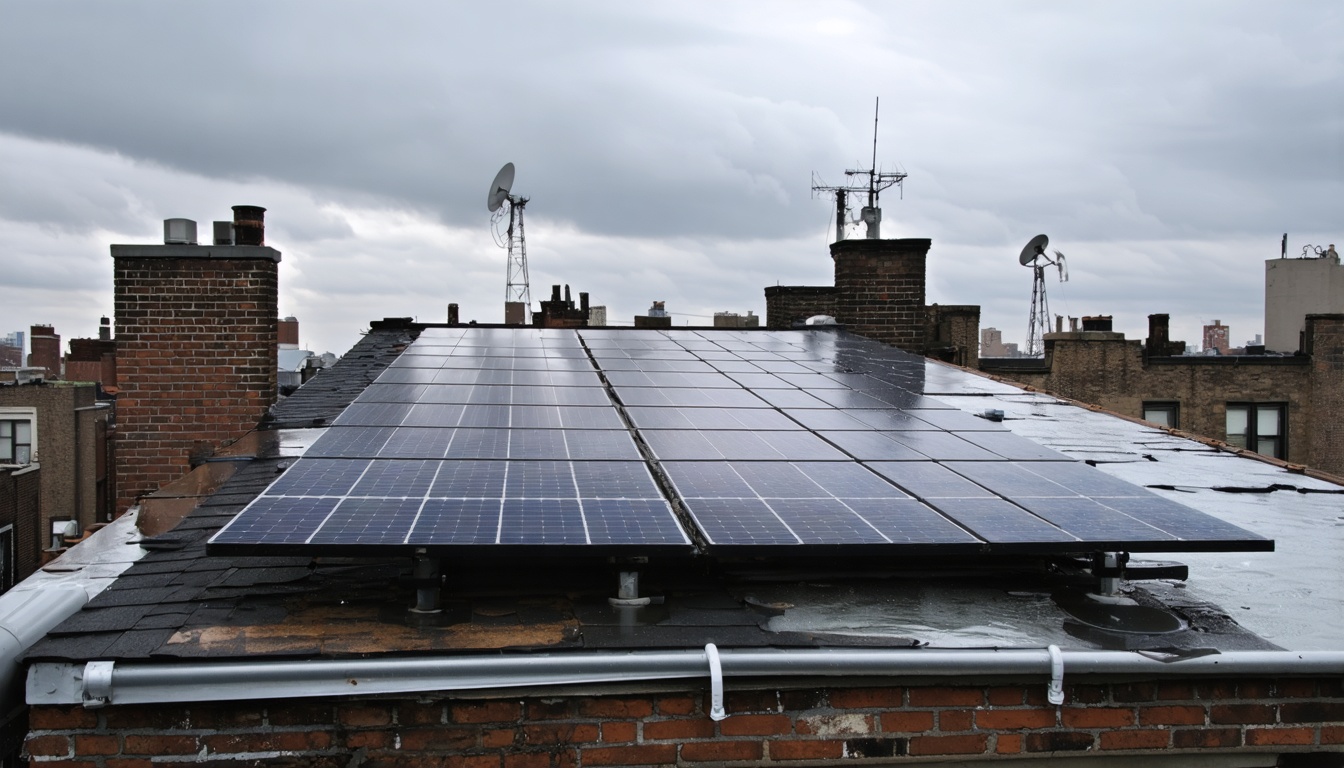
How Local Weather Shapes Solar Energy Decisions in Brooklyn, New York
When considering solar energy for a home or business in Brooklyn, it is essential to take into account the local weather conditions. The area experiences a range of seasonal variations, including notable fluctuations in temperature and consistent cloud cover, which can impact the efficiency and cost-effectiveness of solar energy systems. The performance of solar panels is influenced by both sunlight exposure and temperature. While sunny conditions contribute to higher energy production, excessive heat can decrease panel efficiency. Given Brooklyn's temperate climate, solar installations may experience reduced output during the winter months due to shorter daylight hours and potential snow cover. Conversely, summer months can provide increased energy generation but may also lead to efficiency losses during peak heat. Understanding these weather patterns is crucial for making informed decisions about solar investments. Factors such as shading from nearby buildings or trees, which can be exacerbated by Brooklyn's urban landscape, should also be considered, as they can significantly affect energy capture. Furthermore, potential installations should take advantage of current incentives and rebates available at both state and federal levels. Researching the array of financing options and how they interplay with local weather conditions can lead to more strategic investments in solar technology. In conclusion, a thorough analysis of the local weather's impact on solar energy performance is necessary for residents and business owners in Brooklyn to optimize their solar energy systems. Each installation decision should reflect an understanding of how the climate may influence energy output throughout the year.
Understanding Brooklyn’s Climate Patterns
Brooklyn's climate is primarily classified as humid subtropical, which influences the functionality of solar energy systems in the area. The borough experiences hot summers and relatively mild to cold winters, both of which have implications for solar panel performance.
In summer, the higher temperatures can lead to increased solar panel output due to longer daylight hours. However, it is important to note that excessively high temperatures can negatively affect the efficiency of solar cells, resulting in decreased energy production.
Conversely, while the milder winters still allow for solar generation, shorter days and possible snowfall can limit solar energy output during this season.
Additionally, residents must consider local regulations and the frequency and intensity of weather-related events, as these factors can have a substantial impact on energy consumption patterns. For instance, during heat waves, the demand for electrical cooling can surge, contributing to higher utility costs and placing added pressure on the electrical grid. This situation underscores the need for a reliable energy system capable of accommodating varying demand.
Brooklyn residents may also take advantage of certain incentives designed to encourage the adoption of solar energy, such as tax credits, a supportive permitting process, and Brooklyn Solar Panel Installation. These initiatives aim to reduce carbon emissions and support the city's objectives for carbon neutrality.
Understanding the relationship between Brooklyn's climate and solar energy systems is important for effectively planning and implementing sustainable energy solutions.
Effects of Sunlight and Cloud Cover on Solar Output
Brooklyn has a significant number of sunny days each year. However, variations in sunlight and the occurrence of cloud cover can notably affect the efficiency of solar panels in the region.
For residents considering solar energy in New York City, it is important to evaluate the impact of weather patterns on solar output. Notably, cloud cover can reduce solar energy production by as much as 80%. This reduction may increase the demand on the electrical grid, potentially leading to higher utility costs for households, particularly those reliant on electric heating.
Despite the fluctuations in solar output due to variable weather conditions, the generally favorable sunlight in Brooklyn enables many residential solar systems to provide savings on energy bills and aid in reducing greenhouse gas emissions.
Homeowners interested in adopting solar technology should take into account available incentives, adhere to local regulations, and familiarize themselves with the installation process and potential tax benefits. Such steps can enhance the practicality and financial viability of solar energy options in the area.
The Role of Seasonal Temperature Variations
Seasonal temperature variations in Brooklyn have a notable impact on solar energy output, even with consistent sunlight available year-round. During heat waves and periods of extreme heat in New York City, the efficiency of solar energy systems tends to improve, leading to an increase in energy production. This rise in output can, in turn, place additional demands on the electrical grid and potentially result in higher utility costs.
In contrast, the winter months bring lower temperatures that influence the operation of electric heating systems in residential settings. However, the efficiency of solar panels in colder weather usually remains stable and is not as significantly diminished as one might expect.
The existence of urban heat islands also plays a role, as these areas maintain higher temperatures compared to their rural surroundings, which can enhance solar panel performance and support efforts toward reducing emissions and achieving carbon neutrality.
For residents of New York City who are interested in decreasing their electricity expenditures, it is important to take a systematic approach. This includes familiarizing oneself with local regulations and available incentives that may facilitate solar energy initiatives.
Utilizing online resources can provide up-to-date information and guidance regarding developments in the solar energy industry.
Managing Precipitation and Snow Load for Solar Panels
In Brooklyn, precipitation is an important factor to consider during the installation and maintenance of solar panels. Proper management of water drainage and snow load is crucial for ensuring efficient solar energy production.
Weather events, including storms commonly experienced in New York City, can increase the weight exerted on solar panel installations by approximately 30 to 40 pounds per square foot. This additional weight poses potential risks to the structural integrity of the solar panels and the electrical grid.
To mitigate these issues, advanced mounting systems are available that conform to local regulations and the City's permitting requirements while also helping to lower greenhouse gas emissions.
Regular maintenance and inspections of solar panel systems are advisable to ensure optimal performance and to realize anticipated savings on electricity costs. These practices are aligned with the economic objectives of New Yorkers who aim for sustainable energy solutions.
Urban Shading: Buildings, Trees, and Solar Efficiency
Urban shading from tall buildings and mature trees in Brooklyn has a notable impact on the efficiency of solar panels. To determine whether a specific New York City location receives sufficient solar exposure, a thorough site analysis is required, as shading can potentially decrease solar output by approximately 40%.
Factors such as local regulations, the permitting process, and the frequency of adverse weather events are integral in evaluating the viability of solar installations in the area.
The strategic placement of solar panels is essential, necessitating careful evaluation of available space, panel orientation, and the proximity of adjacent structures that might create shadows.
Additionally, compliance with Con Edison guidelines is a requirement to ensure projected emissions reductions are met. The increasing frequency of extreme heat events also highlights the importance of optimizing solar panel installations to alleviate stress on the electrical grid.
A comprehensive approach to solar energy deployment may result in reduced energy costs while contributing to New York's sustainability objectives, including its carbon neutrality targets.
Weather-Driven Maintenance and System Longevity
Solar energy systems located in coastal regions, such as Brooklyn, face several weather-related challenges that require diligent management to ensure optimal performance and longevity.
Regular inspections and cleaning are critical, as the local climate can induce additional stress on these systems. This stress may arise from heat waves, strong winds, and the increasing frequency of severe weather events, all of which can impact system integrity. Consequently, it is essential to use durable installation materials and establish a consistent maintenance schedule.
Moreover, adherence to local regulations and guidelines set forth by Con Edison is crucial, as compliance can provide access to various incentives aimed at enhancing system efficiency and reducing operational costs.
By implementing a structured approach to solar energy management, households can contribute to carbon neutrality initiatives and reduce greenhouse gas emissions. This also leads to lowered energy expenses for residents throughout New York City's five boroughs.
Overall, this approach not only supports the durability of solar energy systems but also aligns with sustainability objectives in urban settings.
Resilience to Severe Storms and Hurricanes
As the frequency of severe storms and hurricanes increases in Brooklyn, the resilience of solar energy systems is becoming a critical factor for consideration. Stakeholders must adhere to local regulations, such as the NYC Climate Mobilization Act, while implementing a strategic plan to enhance the durability of these systems against extreme weather events and to address the demands placed on the electrical grid.
Integrating solar panels with a Residential Battery Storage System can significantly improve resilience, enabling homeowners to retain power during outages and effectively managing the effects of extreme temperatures.
Utility companies, such as Con Edison, alongside various state initiatives, provide a range of incentives for adopting advanced solar designs that enhance the overall performance of these systems.
Furthermore, the transition to solar energy, combined with storage solutions, may lead to a decrease in greenhouse gas emissions, which aligns with New York City’s objectives for achieving carbon neutrality.
This strategy also addresses the challenges posed by the increasing occurrence of severe weather, contributing to a more sustainable energy infrastructure capable of withstanding the impacts of changing climate patterns.
Adapting Solar Strategies for Flood-Prone Areas
Rising sea levels and intensified storm patterns necessitate effective flood prevention measures in solar energy development in Brooklyn. Stakeholders must adapt their solar strategies to align with New York City's Local Laws and permitting regulations, which require a thorough risk assessment in flood-prone areas.
To bolster resilience against severe weather events, strategies such as elevating solar panels, employing waterproof materials, and integrating Residential Battery Storage Systems are advisable. These adaptations can help ensure the continuity of energy supply during adverse weather conditions and enhance overall system reliability.
For residents and businesses in New York who are facing increasing electric bills, the implementation of these strategies may result in reduced emissions alongside potential cost savings.
It is crucial, however, to secure explicit guidance and approval from Con Edison and the appropriate city authorities before proceeding with any installations, to ensure adherence to local regulations.
Policy and Incentives Shaped by Local Weather Realities
Brooklyn's climate, characterized by frequent cloud cover and varying levels of sunshine, has influenced the design of solar energy incentives by local policymakers. To address these unique conditions, both New York City and New York State have developed a structured system of incentives aimed at promoting the use of solar energy and residential battery storage systems. These initiatives include tax credits designed to alleviate electric bills and reduce overall residential utility expenses.
In response to the challenges associated with extreme weather, such as heat waves, various local entities, including the city government and Con Edison, have implemented strategies to minimize the stress on the electrical grid while concurrently reducing greenhouse gas emissions.
Enhancements to the permitting process, along with the provision of user-friendly public guidance and online resources, such as tools for estimating potential bill savings, reflect an effort to protect the rights of consumers. These measures also support the state's broader goal of achieving carbon neutrality.
This multifaceted strategy aims to effectively manage energy needs while promoting environmental sustainability, taking into account the specific weather conditions experienced in the area.
Community Actions to Maximize Solar Potential
Brooklyn residents and local organizations are actively participating in initiatives aimed at improving solar energy generation across the borough. Information on solar co-ops and financial incentives provided by New York City and New York State is readily available online. This enables residents to potentially reduce their utility expenses while contributing to emissions reduction efforts.
The borough typically experiences an average of 234 sunny days each year, which has led to a 50% increase in solar inquiries from the community. Many residents are opting to install solar systems that utilize substantial areas of their roofs, with a portion also exploring the integration of Residential Battery Storage Systems to enhance energy self-sufficiency.
These developments address several challenges, such as rising utility rates, urban heat, and increased stress on the electrical grid, driven by climate change and population growth. Additionally, compliance with local regulations helps ensure that solar installations are both effective and legally compliant.
In summary, the community's move toward solar energy adoption demonstrates a pragmatic approach to tackling environmental and economic issues.
Conclusion
When considering solar energy for homes in Brooklyn, it is important to take into account the region’s specific weather conditions. The performance of solar panels is influenced by factors such as seasonal changes, cloud cover, and wind patterns. Brooklyn experiences a humid subtropical climate, which results in varied weather throughout the year. The summers can be hot and humid, while winters are cold with precipitation. Such seasonal variability can significantly affect the efficiency of solar panels, with longer daylight hours in summer generally providing more solar energy, whereas shorter winter days may lead to reduced generation. Cloud patterns also play a critical role in solar energy production. Brooklyn tends to have a fair amount of cloudy days, especially in the fall and winter months. This overcast condition can lead to lower solar output, as solar panels typically operate more effectively in direct sunlight. Wind conditions may also impact solar panel performance. While wind itself does not directly affect energy production, strong winds can lead to increased wear and tear on solar installations, necessitating regular maintenance and checks to ensure the system's longevity and efficiency. By understanding these local weather conditions, homeowners can select appropriate solar technologies, implement suitable maintenance practices, and better leverage available local incentives for solar installation. Tailoring a solar energy approach to Brooklyn's climate is crucial for optimizing the efficiency and return on investment of solar energy systems.