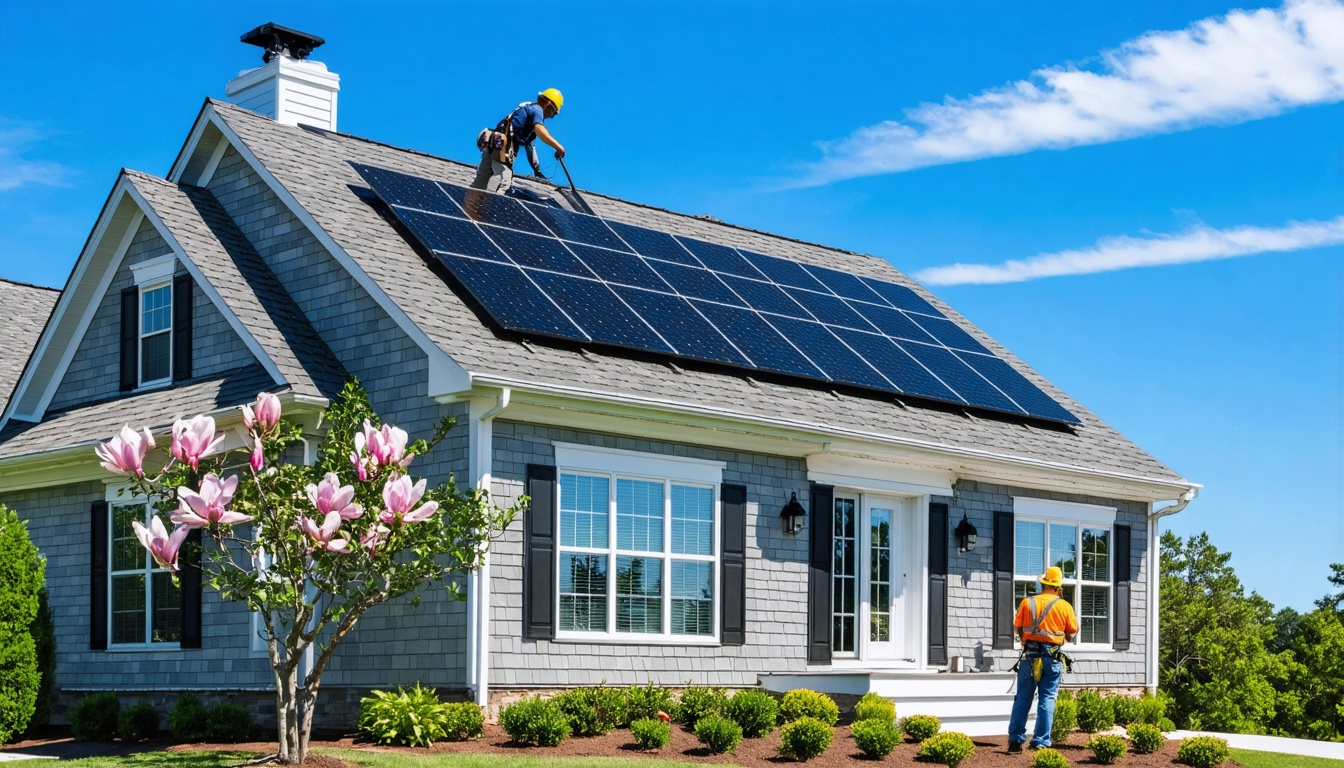
Solar Ready Roof Upgrades That Matter for Homes in South Carolina
If you are contemplating the installation of solar panels for your home in South Carolina, upgrading to a solar ready roof may be a prudent decision. Such an upgrade can enhance your property’s value and may lead to reductions in energy costs. Additionally, it positions your home to incorporate future advancements in renewable energy technology and adapt to evolving energy demands. Several factors need to be evaluated before proceeding with a solar ready roof upgrade. Key considerations include the orientation and slope of your roof to maximize sunlight exposure, as well as adherence to local building codes and homeowner association regulations that may impact installation. Furthermore, assessing the structural integrity of your roof is critical to ensure it can support the weight of solar panels. Engaging with a qualified solar installer can provide a comprehensive analysis tailored to the specific conditions of your property and help facilitate informed decision-making.
Evaluating Sunlight Exposure for Maximum Solar Efficiency
How well does your roof capture sunlight throughout the day? Sunlight exposure is fundamental to solar panel performance, and even small amounts of shade can lower energy production and potential savings. When considering Roofing upgrades for Solar Systems in SC or NC, consult Solar Energy Consultants to assess your Home or Commercial Building’s roof orientation, nearby HVAC equipment, and roof materials such as metal. Southern-facing roofs maximize sun exposure and System Efficiency, supporting long-term Energy needs and increasing property value. Use tools like Project Sunroof to estimate power output, including factors like heavy rain or local High School buildings. To learn more or begin installation, Contact Us.
Assessing Roof Condition and Structural Suitability
Assessing the suitability of a roof for solar panel installation in South Carolina requires a detailed analysis of several key factors. It is essential to evaluate the age, materials, and overall structural integrity of the roofing system.
Common roofing types in the region, such as asphalt and metal, should be inspected for existing leaks, damage, or necessary repairs, as these conditions may influence the feasibility of integrating solar panels.
For older structures or commercial properties, reinforcing the roof might be necessary to accommodate the extra weight and load associated with solar installations. This evaluation is critical to maintain property value and improve energy efficiency.
Additionally, ensuring that the solar installation optimizes sunlight exposure while being able to endure local environmental conditions, including heavy rainfall, is an important consideration.
A comprehensive assessment can yield important insights into both the roof’s longevity and the performance of the solar system.
If you require further information or assistance regarding this assessment, please contact our team for support.
Determining if Your Electricity Usage Warrants Solar Investment
Before considering a solar investment, it is important to evaluate whether your electricity consumption supports the installation of solar panels. Homeowners in South Carolina with higher electricity bills—particularly those driven by HVAC usage or larger home sizes—may find that solar installations could be a cost-effective solution.
Solar energy systems can improve efficiency by lowering electricity costs, especially if the property has sufficient sunlight exposure and features durable roofing materials, such as metal.
To make an informed choice, it is advisable to carefully monitor your energy usage and estimate the duration for which solar energy could meet your electricity needs.
For commercial projects or residences in North Carolina, resources such as the ENERGY STAR program or information from local high school solar installations may offer useful data and insights.
Additionally, it is important to consider external factors that could impact property value, including the effects of heavy rainfall and the quality of the installation process.
Thoroughly assessing these elements is essential prior to proceeding with a solar investment. For more detailed information, you may seek guidance from professionals in the field.
Anticipating Future Energy Demands in Your Home
When planning for solar upgrades, it is essential to assess your home's current energy needs and anticipate any changes in consumption over time. Homeowners in South Carolina and North Carolina should consider potential increases in energy usage that could result from new HVAC installations, upgrades to electrical systems, or the addition of new structures such as home offices or swimming pools.
Choosing a solar-ready roof is a critical aspect of this planning. A solar-ready roof should be structurally sound and ideally equipped with pre-installed wiring to facilitate the future installation of solar technology. Metal roofs are often recommended for their durability and effectiveness in various weather conditions, including heavy rain and intense sun exposure.
Engaging in careful planning regarding energy consumption and solar infrastructure can improve energy efficiency and contribute positively to property value. Conducting thorough assessments and making informed decisions at the outset may yield considerable benefits over the long term.
For additional information or specific guidance on this subject, please reach out for assistance.
Enhancing Energy Security with Outage-Resistant Solutions
The Carolinas are prone to storms that can result in power outages, which can pose challenges for energy security for homeowners. A practical approach to address this concern involves the installation of solar panels combined with battery storage systems. These systems not only harness renewable energy but also serve as a backup power source during outages.
To enhance the longevity and functionality of these solar installations, it is essential to utilize durable roofing materials and to consider solar-ready roof options, such as metal roofing. These materials are engineered for resilience against heavy rain and extended outages, safeguarding the solar system's integrity over time.
Furthermore, the integration of efficient solar systems with standby generators can adequately address the energy needs of both residential and commercial properties in South Carolina and North Carolina. Proper installation practices are vital, as they maximize sunlight capture and ensure optimal power output, meeting essential demands for heating, ventilation, air conditioning (HVAC), and electrical systems.
Investing in solar energy may also lead to an increase in property value and improved energy independence for homeowners. For more precise information and tailored project assessments, interested parties are encouraged to reach out for a discussion of their specific requirements.
Key Features of Solar-Ready Roof Design
A solar-ready roof is a vital component for the effective installation of solar energy systems, as it ensures both structural integrity and adherence to the technical specifications necessary for modern energy solutions. In regions such as South Carolina and North Carolina, the selection of durable roofing materials – particularly metal – can enhance the roof’s compatibility with solar energy systems.
Incorporating built-in electrical conduits into the roof design can facilitate a more efficient installation process and improve the overall connectivity to power distribution systems.
Moreover, roof designs that optimize sun exposure, while simultaneously considering the placement of HVAC systems and managing rainwater drainage, play an important role in enhancing the efficiency of solar energy generation.
Adhering to local building codes is essential as it not only accelerates the installation timeline but also helps maintain the property’s value, whether for residential or commercial purposes.
Homeowners who gain a better understanding of solar energy systems often find that this awareness can contribute to increased energy efficiency and a more streamlined installation experience.
For solutions that cater to specific needs, consulting with professionals in the field is advisable.
Cost-Efficiency and Increased Property Value with Solar-Ready Upgrades
Investing in solar-ready roof upgrades can be a practical option for homeowners in South Carolina (SC) and North Carolina (NC). These upgrades address roofing needs while potentially increasing property value.
By preparing the roof for solar systems with durable materials and pre-installed electrical pathways, homeowners can lower installation costs and enhance long-term energy efficiency.
A significant advantage of solar-ready upgrades is the potential for decreased energy bills, along with access to various tax credits designated for solar energy users. Metal roofs, for example, have demonstrated effective performance in inclement weather and can adequately support HVAC and power systems, which contributes to reliability.
Further, solar installations on pre-prepared roofs often exhibit greater efficiency, which may result in less disruption during the construction process.
Homeowners contemplating such upgrades are advised to work with professionals to optimize their home’s solar potential by evaluating factors like sun exposure and specific system requirements.
For additional information on solar-ready roof upgrades and their potential implications, homeowners are encouraged to seek personalized guidance.
Choosing the Right Partner for Solar-Ready Roofing in South Carolina
Selecting an appropriate contractor for solar-ready roofing in South Carolina is an important process that can affect both the longevity and the financial return of the roofing project. It is critical to choose a contractor who possesses a comprehensive understanding of local building codes, climate factors such as sun exposure and rainfall patterns, as well as the specific criteria for solar energy systems.
Prospective contractors should have demonstrated expertise in a range of materials that are compatible with solar installations, with a notable emphasis on metal roofing systems, which generally offer both durability and compatibility with solar technology. Additionally, knowledgeable contractors should understand the necessary electrical configurations for integrating solar energy solutions into existing roofing structures, ensuring compliance with all relevant safety regulations.
For commercial and residential projects within South Carolina and North Carolina, reputable contractors should focus on more than just the installation of solar-ready roofing. They must also ensure that roofs are designed to fulfill HVAC requirements and promote overall energy efficiency. The use of sustainable materials and appropriate structural reinforcements is recommended to enhance longevity and efficiency.
Before engaging in a roofing project, it is advisable to assess the roof’s suitability for accommodating solar energy applications. This assessment can influence property value and streamline the installation process. Engaging with a qualified contractor can provide valuable information regarding these considerations.
For further information or guidance, consulting with experienced professionals in the roofing and solar industries is advisable.
Conclusion
Upgrading a roof to be solar-ready in South Carolina involves several practical considerations that can enhance long-term energy efficiency and property value. Key factors to assess include the roof's orientation for sunlight exposure, the structural integrity to support additional weight from solar panels, and an analysis of future energy needs based on household consumption patterns. Solar-ready roofs require specific material choices and design elements that facilitate solar panel installation. Options may include reinforced roof structures, appropriate roofing materials that withstand installation and weather conditions, and adequate space for the panels without obstructions. Furthermore, compliance with local zoning laws and building codes is essential to avoid potential legal or logistical issues during installation. By collaborating with experienced roofing professionals, homeowners can ensure that their upgrades align with solar energy systems' requirements, thereby optimizing the investment. Proper planning and quality materials will facilitate effective integration of solar technology, potentially leading to reduced energy costs and a decrease in carbon footprint over time.